Why Outreach Matters and How to Do It Well
Discover why reaching others with the Gospel matters and get practical strategies for authentic outreach.
Why Outreach Matters and How to Do It Well
Why Outreach Is Important
Jesus' Command
Before He ascended to heaven, Jesus told His followers: "Go and make disciples of all nations" (Matthew 28:19). This is often called the Great Commission. It's not optional—it's the core mission of Christianity.
People Matter
Every person on your campus is valuable to God. Many have never heard the Gospel clearly or had a chance to experience God's love. They're dealing with real struggles—loneliness, meaninglessness, guilt, fear—that the Gospel addresses. Outreach is offering the solution to people's deepest needs.
Eternity Is at Stake
This isn't morbid thinking; it's Gospel reality. Those who haven't put their faith in Jesus face eternal separation from God. By sharing the Gospel, we're offering eternal salvation—the greatest gift possible.
Your Responsibility
If you know Jesus, you've been given the privilege and responsibility of sharing that good news. You don't need advanced training—just a willingness to share what you know and what you've experienced.
The Heart of Effective Outreach
Genuine Care
People can tell when you're using them for conversion statistics versus genuinely caring about them. Real outreach starts with loving people for who they are, not just as conversion targets. Listen to their stories. Understand their perspective. Show interest in their lives.
Authenticity
Be yourself. Don't pretend to be perfect or put on a religious persona. Share your real journey, including your struggles and questions. People connect with authenticity, not perfection.
Respect
Respect people's intelligence and autonomy. Explain the Gospel clearly, answer their questions honestly, but don't manipulate or pressure. Respect their right to choose. Pushing too hard often creates resistance.
Practical Outreach Strategies
1. Live Out Your Faith Visibly
The most powerful outreach is a Christian life that's noticeably different. Be known for kindness, honesty, joy, and helping others. People will naturally ask what's different about you.
2. Build Friendships First
The Gospel travels through relationships. Invest in genuine friendships with non-believers. Invite them to events, study groups, meals. Let them experience Christian community before expecting them to commit.
3. Host Accessible Events
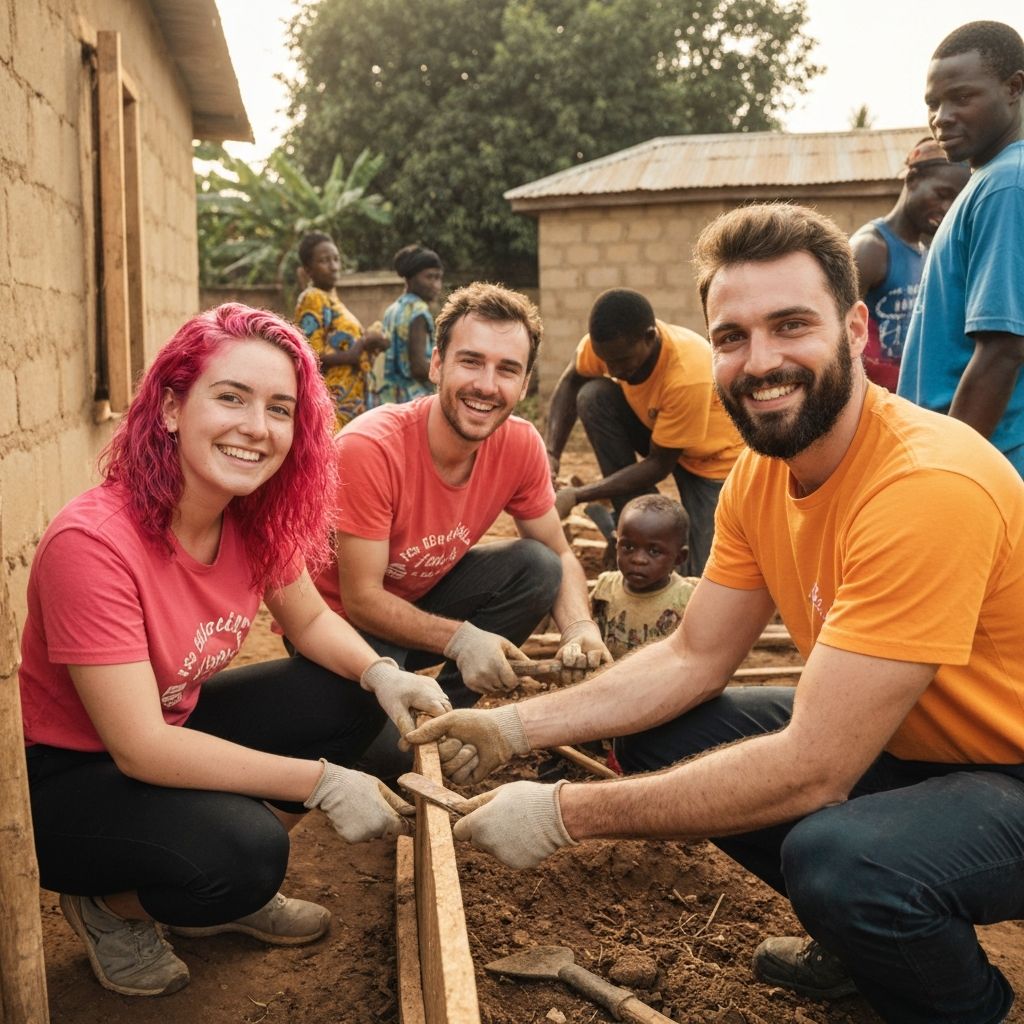
Create events—worship nights, outreach concerts, service projects, discussions—that are easy for non-believers to attend. Make them fun, welcoming, and not overly religious initially. The Gospel can be shared naturally in community.
4. Have Gospel Conversations**
Don't wait for perfect moments. Be ready to share your faith in casual conversations. Learn to naturally talk about Jesus. Practice telling your story in 3-5 minutes. Answer questions your friends have about faith.
5. Invite People to Church or Small Groups**
Many people will never go to church until someone personally invites them. Your invitation removes the barrier. Offer to go with them and introduce them to people. Make their first visit welcoming.
6. Be Available**
Be the Christian people can ask questions to. When friends struggle, show up for them. When they want to talk about faith, be ready to listen and share. Be present in their lives.
Addressing Common Objections
"I'm afraid of rejection."
Remember: you're not being rejected; your message might be. Rejection is part of outreach. Jesus Himself was rejected. Trust that God's Word will accomplish its purpose even if an individual says no.
"I don't know enough to answer their questions."
That's okay. You don't need to have all the answers. Be honest when you don't know something. Offer to find the answer together. Your willingness to engage is more important than perfect knowledge.
"I'm not gifted at evangelism."
Everyone can share their faith. Evangelism isn't a special gift for certain people—it's part of being a Christian. Your unique personality and gifts make your outreach special.
"I don't want to be pushy."
You don't have to be pushy. Respect people's autonomy. Share your faith. Answer questions. Invite them. Then let them decide. You're planting seeds; God causes the growth.
After People Respond
When someone opens their heart to Jesus, that's the beginning, not the end. Immediately connect them with:
- A discipleship relationship
- A local church community
- Other new believers for accountability and friendship
- Resources for spiritual growth (Bible, books, devotionals)
Conclusion
Outreach isn't optional or for the super-spiritual. It's the natural overflow of a life transformed by Jesus. Start where you are. Care for people genuinely. Share your story. Invite your friends. Trust that God will use your faithful efforts to reach those who are seeking.